All Categories
Featured
Why Data-Driven Performance Reports Boost Growth
Table of Contents
It typically makes sense to start with the choices you need to makeoptimization, tactical, operational, or strategic and work backward from the decision to choose which metrics will offer you the information you require to make that decision. These are the small, continuous decisions your marketing team requires to make about the best method to get the most out of each of your marketing methods.
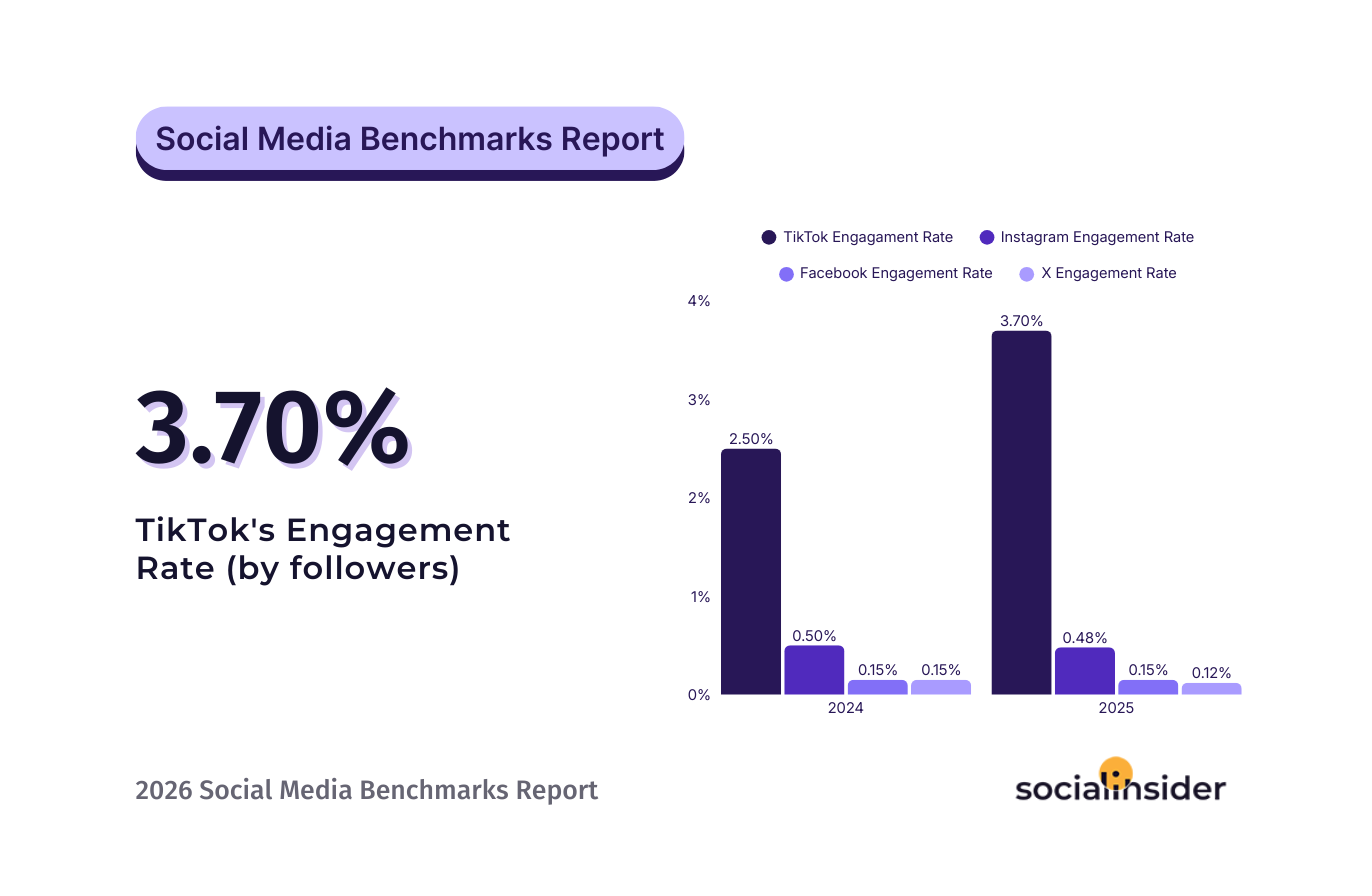
: The average time invested by visitors on a particular web page: The percentage of users who click a specific link compared to the number of total users who view a page, email, or ad: The outcomes of A/B tests to check the effect of changes to your marketing strategies: The ratio of the net earnings generated from your marketing efforts, when compared to the expense of those efforts, used to enhance budget allocation These assist you improve the efficiency of private channels and projects.
What affects the unexpected drop in trials? Normal operational KPIs are:: Variety of leads that meet the needed criteria to be passed on to Sales: Leads that the sales team classes as a match for your ideal consumer profile: How typically your site is found throughout online searches They set the long-term direction of your marketing method, choosing elements like the marketing mix, budget allotment, positioning, and messaging.
We advise the Who, Why, What framework: Who are the people who are going to utilize your report to decide? The basic audience for your report should determine the content of the report Why are you building this report? What choice are you making? What data will you require? Which brings us to the next step Numerous marketing groups find it hard to report on their information since it's being in fragmented siloesthe email data is in the e-mail platform, the web information in the web analytics tool, and so on.
If you wish to develop helpful reports, you'll need a way of collecting and incorporating your marketing data so you can use it to emerge insights and reason. For tactical and optimization choices that do not require a lot of data, you can incorporate data directly into a spreadsheet tool or a data visualization tool.
Data-Backed Industry Solutions for High-Growth Markets
A word of care: it's very crucial that your information is accurate and constant.
[target1:anchor_exact1]If you're calling the campaign Campaign_1 in one tool and Campaign_Q1_2024 in another tool, then you're going to wind up with puzzled, unpleasant data.: Carry out standardized project naming. An excellent project name ought to show the goal, duration, and target market. The most important thing is that you use the same project name all over.
If your reports don't assist you make decisions, they're really just a collection of numbers. To be beneficial, marketing reports require to provide insights and suggestions for the next actions.
Comparing Industry Growth Standards in the US
From this information, you form a hypothesis. Maybe your pay per click project isn't working well because you're targeting the wrong keywords. You decide to take actionto do some keyword research study and try out a new keyword set. You report on the results of the modification. Your brand-new report will let you make a decision about whether your new keywords are the best ones for your PPC campaign.
Ensure you include a basic overview showing the general picture, then drill down into more granular information Data visualization makes it easier to reach decisions by transforming a bunch of numbers into a compelling story that's simple to comprehend. Here are some fast pointers on how to use data visualizations to make your reports more actionable: Pick the right chart for the information Add some information so the audience can see what they're looking at.
There are lots of marketing reports, and you'll most likely want to share more than one during any marketing reporting conference. Here are just a few examples of the various types of reports that you could think about.

Latest Posts
Evaluating Industry Growth Standards in the US

Proven Business Solutions for Maximum Output
Advanced Competitive Research Methods for Modern Sectors